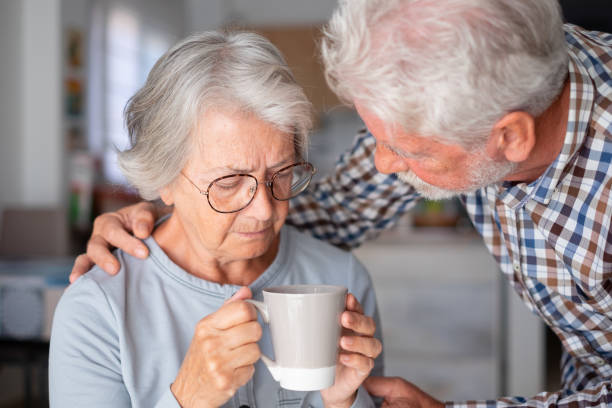
As the U.S. population ages and caregiving responsibilities grow, so too does the risk of isolation and loneliness. Findings published in the Journals of Gerontology report that caregiver isolation and caregiver loneliness are reaching crisis levels. In fact, nearly one in eight family and unpaid caregivers of older adults are socially isolated, and over a quarter report feeling lonely.
This article explores the data on caregiver isolation and caregiver loneliness, the impact on health and steps caregivers can take to stay connected.
Data on Caregiver Isolation and Loneliness
Researchers analyzed data from 2,174 caregivers from the National Study of Caregiving IV. The results estimate that 2.8 million caregivers are socially isolated and 6.3 million caregivers feel lonely. That’s 12% and 27% of all caregivers, respectively.
Caregiver isolation and loneliness doesn’t affect all caregivers the same way. Some groups are more at risk than others. It was found that men, in poor or fair health, and caregivers without partners are more likely to be isolated.
Caregiver loneliness was higher among those who were unmarried and in poor health, and lower among Black and Hispanic caregivers than their White counterparts. Caring for a spouse or someone with dementia also significantly increased caregiver isolation risk.
Caregiver Isolation vs. Caregiver Loneliness
While often used interchangeably, caregiver isolation and caregiver loneliness are distinct experiences that affect both health and well-being. Caregiver isolation refers to the state of being socially disconnected. This can mean few social contacts, not participating in community or social activities, or physical separation from others due to caregiving duties.
In contrast, caregiver loneliness is an emotional experience. It is the feeling of being alone, regardless of how many people are physically around. A person can be surrounded by people and still feel lonely if they lack meaningful connection, emotional support, or a sense that others truly understand their experience.
Both caregiver isolation and caregiver loneliness are important to identify and address because they are two risk factors for physical and mental health decline. To address isolation and loneliness, interventions may focus on increasing access to social networks, support groups, or community involvement. This may be achieved through counseling, peer support, or communication-focused programs. This kind of change is meant to enhance the quality of emotional connection.
Caregiver Isolation, Loneliness and Health Concerns
The AMA has adopted policy for people who are experience social isolation and loneliness, as this group is at increased risk for premature death. In fact, social isolation and loneliness were associated with a 29% increased risk of heart disease and a 32% risk of stroke.
Additionally, the CDC reports that social isolation is linked to higher rates of:
- Depression and anxiety
- Cognitive decline
- Mortality
Improving Social Connectedness
Caregivers often have little external support. Therefore, these risks are compounded by stress, time scarcity, and role strain. Conversely, people who practice social connectedness with close, supportive relationships tend to have:
- Longer lives
- Less stress
- Better overall physical and emotional health
- Fewer feelings of loneliness
- Greater quality of life
What Caregivers Can Do
High-quality relationships can help people live longer, healthier lives. Social connection can help reduce the risk of chronic disease and serious illness. It can also lead to longer life, better health, and well-being. Connection also improves the ability to manage stress, anxiety, and depression. Additionally social connection can lead to healthy eating habits and physical activity.
Here’s what you can do to help your stay away from caregiver isolation.
- Join Peer Support Networks: Programs like the Family Caregiver Alliance and ARCH Respite Network offer virtual and in-person communities that connect caregivers with others going through similar experiences.
Use Technology Wisely
- Simple technology such as video calls can combat loneliness. Papa is a tool that connect older adults and caregivers to trained “Papa Pals” for companionship and errands.
- Talk to Your Doctor About Mental Health
Many caregivers suffer in silence. Ask about depression screenings, therapy referrals, or caregiver-specific programs like those offered by Caregiver Action Network. - Respite services can offer temporary relief for caregivers, even just a few hours per week. Learn more via the National Respite Locator.
Understanding Caregiver Isolation and Loneliness
Caregiving is an act of love, but it should notcome at the cost of your well-being. As new data shows the scale of caregiver isolation, the need for proactive support systems is urgent and clear. The first step? Recognizing you’re not alone, even if it sometimes feels that way.